


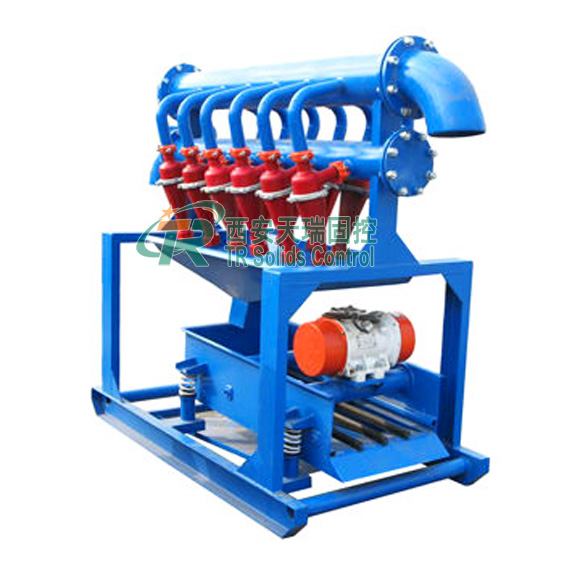
How to Choose a Mud Desilter
TR Solids Control supplies robust mud desilters with wear-resistant polyurethane cones, plus matching shakers and spare parts to keep your operations running smoothly.


-
Product Struction
Choosing the right mud desilter directly affects how clean your drilling fluid stays and how long your downstream equipment lasts. Here is a straightforward guide to help you pick one that fits your operation.
Match Capacity to Your Flow Rate
Calculate your actual circulating flow, not the theoretical maximum.
Leave a 10–20% margin so the unit is not running at its limit all day.
Make sure feed pressure stays within the manufacturer's recommended range.
Consider Your Drilling Conditions
Larger, deeper holes need higher handling capacity.
Heavy, weighted muds require a desilter rated for that density range.
Highly abrasive formations call for more durable cones and liners.
Focus on Hydrocyclone Quality
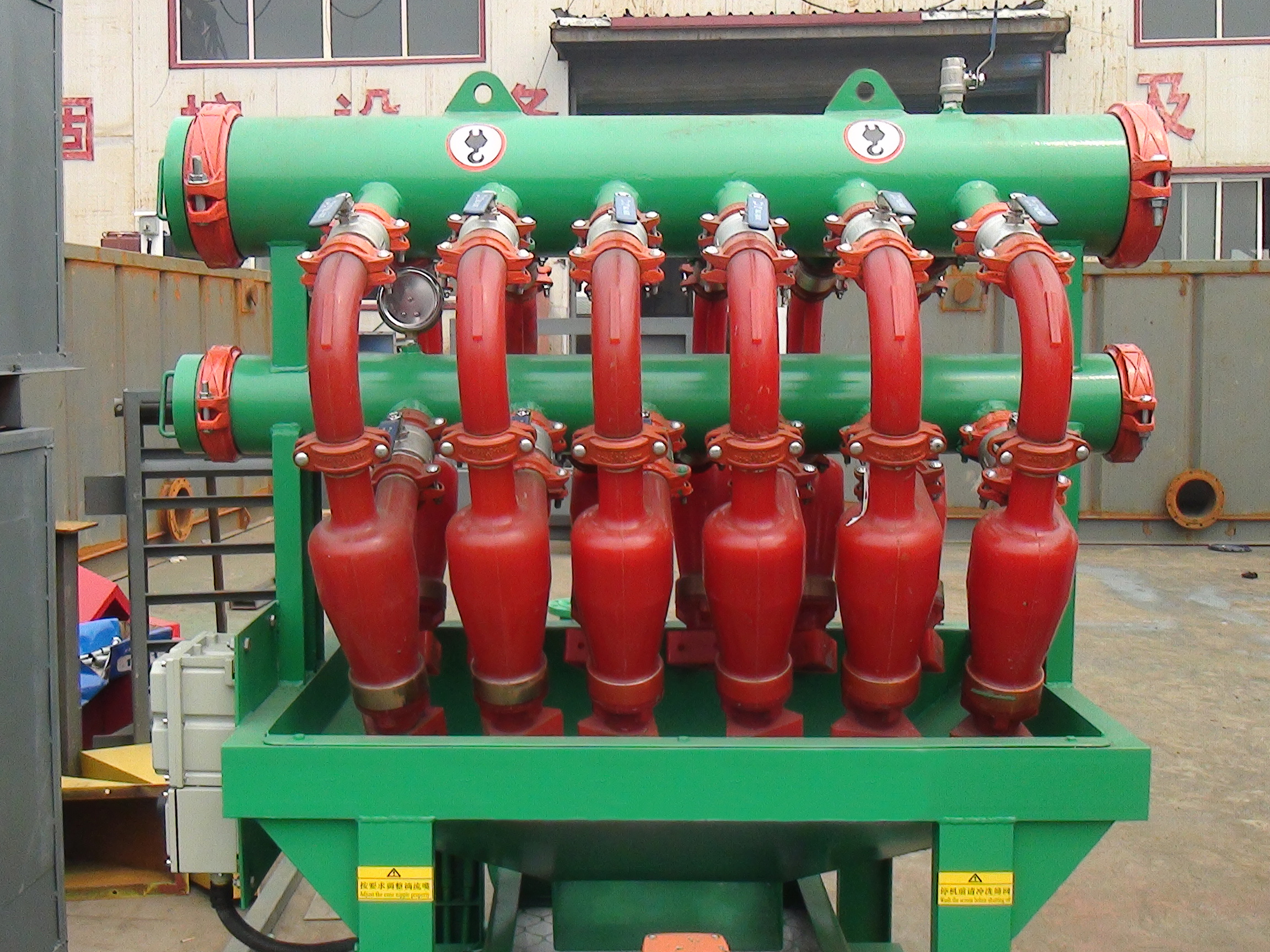
The cones are the heart of any mud desilter.
Material: Polyurethane cones generally last longer than cheaper plastic ones.
Cone size: Smaller cones remove finer particles but handle less volume per unit.
Replaceable liners: They cut long-term maintenance costs significantly.
Check Maintenance and Spare Parts
Pick a unit with easy access to cones, gaskets and manifolds.
Confirm common wear parts are readily available.
Ask about replacement cone lead times before you commit.
TR Solids Control: Your Solids Control Equipment Partner
As an experienced solids control equipment manufacturer, TR Solids Control builds durable mud desilters with polyurethane cones and easy maintenance access. We also supply matching shale shakers and spare parts, keeping your whole solids control system running reliably.
Final Takeaway
To choose a mud desilter that performs, match capacity to your flow, prioritize cone quality, and make sure spare parts are easy to get. A well-selected unit from a trusted supplier like TR Solids Control pays off in cleaner mud and lower operating costs.